Frequently Asked Questions
How can I improve my homes air quality?
Improving your home's air quality involves several key steps: regularly ventilate your space, use air purifiers with HEPA filters, maintain humidity levels, and minimize indoor pollutants by choosing non-toxic products and ensuring proper maintenance of HVAC systems.
What services do you offer for water purification?
The services we offer for water purification include comprehensive water testing, installation of advanced filtration systems, regular maintenance, and emergency repair services to ensure optimal water quality for your home or business.
How does your company ensure the safety of air conditioning systems?
The safety of air conditioning systems is ensured through rigorous quality checks, regular maintenance, and adherence to industry standards, guaranteeing optimal performance and minimizing risks associated with air quality and system reliability.
What are the benefits of regular maintenance for air conditioning units?
The benefits of regular maintenance for air conditioning units include improved efficiency, extended lifespan, reduced energy costs, and enhanced air quality. Routine checks help identify issues early, ensuring optimal performance and comfort in your environment.
Can you provide information on your plumbing services?
Our plumbing services include installation, maintenance, and repair of water supply and drainage systems. We ensure efficient and reliable solutions to enhance your home's water quality and safety.
What methods improve indoor air quality?
Methods to improve indoor air quality include regular ventilation, using air purifiers, maintaining humidity levels, and incorporating indoor plants that filter toxins. These practices enhance air freshness and promote a healthier living environment.
How often should air filters be changed?
The frequency of changing air filters is essential for maintaining air quality. Generally, it is recommended to replace air filters every 1 to 3 months, depending on usage and environmental factors.
What are the signs of poor air quality?
The signs of poor air quality include persistent odors, increased dust accumulation, respiratory issues, and visible mold growth. These indicators can affect health and comfort, highlighting the need for air quality solutions.
How can I reduce allergens in my home?
Reducing allergens in your home involves regular cleaning, using high-efficiency particulate air (HEPA) filters, maintaining optimal humidity levels, and minimizing clutter to limit dust accumulation. Consider air purifiers for added protection against airborne allergens.
What types of water purification systems do you offer?
ABC Water and Air offers a variety of water purification systems, including reverse osmosis units, UV sterilizers, and activated carbon filters, designed to enhance water quality for both residential and commercial use.
How does water quality affect health?
Water quality significantly affects health by determining the safety and purity of drinking water. Contaminated water can lead to various health issues, including gastrointestinal diseases, reproductive problems, and neurological disorders. Ensuring high water quality is essential for overall well-being.
What maintenance is required for air conditioning systems?
The maintenance required for air conditioning systems includes regularly changing or cleaning filters, checking refrigerant levels, cleaning coils, and scheduling annual professional inspections to ensure optimal performance and efficiency.
How can I prevent plumbing issues in my home?
Preventing plumbing issues in your home involves regular maintenance, such as checking for leaks, ensuring proper drainage, and avoiding flushing non-biodegradable items. Additionally, consider scheduling professional inspections to catch potential problems early.
What are the advantages of regular HVAC inspections?
The advantages of regular HVAC inspections include improved energy efficiency, extended system lifespan, enhanced indoor air quality, and reduced repair costs. These proactive measures ensure optimal performance and comfort in your home or business environment.
How do you ensure air conditioning system efficiency?
Ensuring air conditioning system efficiency involves regular maintenance, including filter replacements, professional inspections, and system tune-ups. Additionally, optimizing thermostat settings and sealing ducts can significantly enhance performance and energy savings.
What should I look for in a water filter?
When looking for a water filter, consider its filtration capabilities, certification for contaminant removal, flow rate, maintenance requirements, and overall cost-effectiveness to ensure safe and clean drinking water.
How can I improve my homes ventilation?
Improving your home's ventilation involves ensuring proper airflow through windows, using exhaust fans in kitchens and bathrooms, and considering air purification systems to enhance indoor air quality. Regular maintenance of HVAC systems also plays a crucial role.
What are common air conditioning problems?
Common air conditioning problems include inadequate cooling, unusual noises, frequent cycling, and poor airflow. These issues can arise from dirty filters, refrigerant leaks, or malfunctioning components, affecting overall system efficiency and comfort.
How does humidity affect indoor air quality?
Humidity significantly affects indoor air quality by influencing the growth of mold, dust mites, and other allergens. High humidity can lead to discomfort and respiratory issues, while low humidity may cause dryness and irritation.
What plumbing services are essential for homeowners?
Essential plumbing services for homeowners include routine maintenance, leak detection and repair, drain cleaning, water heater installation and repair, and fixture replacements to ensure optimal water quality and system efficiency.
How can I extend the life of my HVAC system?
Extending the life of your HVAC system involves regular maintenance, such as changing filters, scheduling annual inspections, and keeping the outdoor unit clear of debris. These practices promote efficiency and prevent costly repairs.
What are the benefits of professional air duct cleaning?
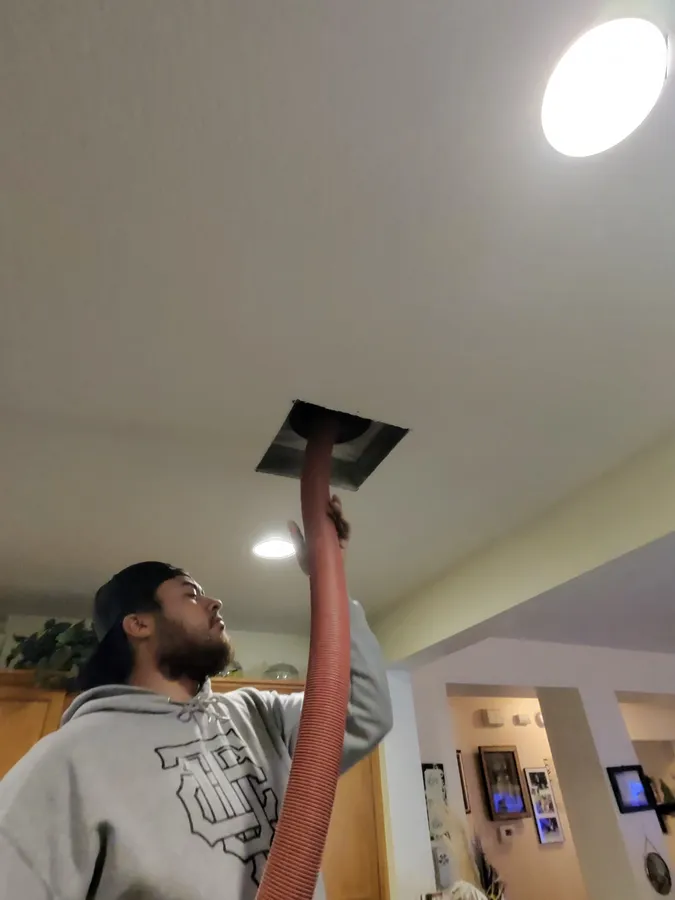
The benefits of professional air duct cleaning include improved indoor air quality, enhanced energy efficiency, and reduced allergens and dust in your home. This service helps create a healthier environment for you and your family.
How do I choose the right air conditioning unit?
Choosing the right air conditioning unit involves considering factors such as the size of your space, energy efficiency ratings, and your budget. Assess your cooling needs and consult with a professional for the best options.
What is the process for water testing?
The process for water testing involves collecting water samples, analyzing them in a laboratory for contaminants, and interpreting the results to assess water quality. This ensures safe and clean water for consumption and use.
How can I identify leaks in my plumbing?
Identifying leaks in your plumbing can be done by checking for water stains on walls or ceilings, listening for dripping sounds, and monitoring your water meter for unexpected increases in usage.
What are the best practices for air conditioning maintenance?
The best practices for air conditioning maintenance include regularly changing or cleaning filters, scheduling annual professional inspections, ensuring proper airflow, and keeping the outdoor unit clear of debris to enhance efficiency and prolong the system's lifespan.
How does your company handle emergency plumbing services?
Our company handles emergency plumbing services by offering 24/7 availability, rapid response times, and a team of skilled professionals ready to address urgent plumbing issues efficiently and effectively.
What features should I consider in air purifiers?
The features to consider in air purifiers include filter types (HEPA, activated carbon), room size coverage, noise levels, energy efficiency, and additional functionalities like UV light or smart technology for enhanced air quality management.
How can I improve my homes energy efficiency?
Improving your home's energy efficiency can be achieved by sealing drafts, upgrading insulation, using energy-efficient appliances, and installing smart thermostats to optimize heating and cooling. These steps help reduce energy consumption and lower utility bills.
What are the costs associated with water purification systems?
The costs associated with water purification systems vary based on the type and capacity of the system, typically ranging from a few hundred to several thousand dollars, including installation and maintenance fees.